How to Build on Difficult Land
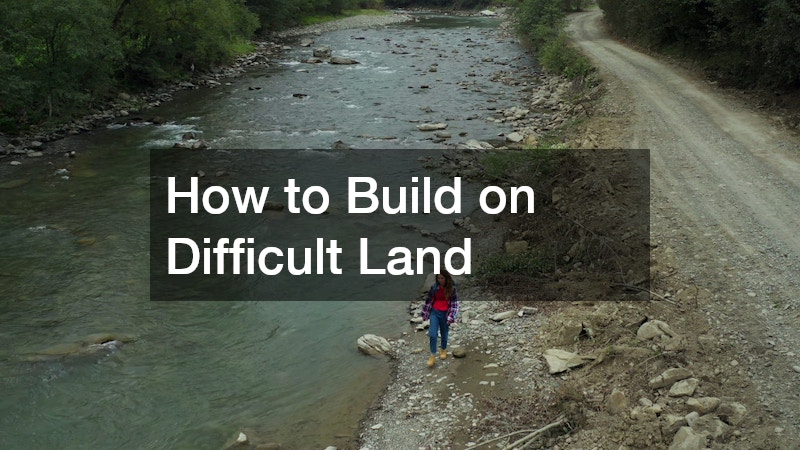
This article explores the challenges and solutions to building on land that presents unique obstacles. Whether it’s sloped, rocky, or located in a densely populated area, there are a variety of factors that make construction difficult. Architects and builders must adopt innovative strategies that address both environmental and regulatory challenges. With urban expansion and population growth, approaches to building on challenging terrains have never been more crucial. Our exploration offers insight into how the industry is adapting and thriving amid these challenges.
Understanding Land Surveys and Site Assessment
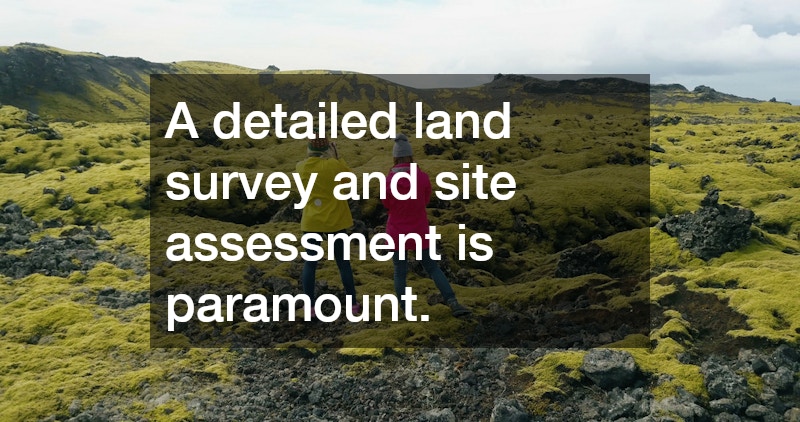
Before any building project commences on a piece of land for sale, a detailed land survey and site assessment is paramount. These assessments provide critical data pertaining to topography, soil stability, and other geoenvironmental factors. For instance, mapping out slope gradients or identifying rocky substrata can help anticipate issues that may arise during construction. Using advanced technologies, such as drone surveying and geotechnical engineering, professionals can obtain high-precision data for their initial evaluations. This information serves as a foundation for making informed decisions about site development and construction design.
Land surveys also play a pivotal role in ensuring compliance with local zoning laws and building codes. Understanding geographical limitations and environmental regulations can drastically lower the risk of legal setbacks. A common mistake is underestimating time for this crucial phase, but thorough initial assessments can save time and cost in the long run. By identifying possible environmental constraints upfront, builders can avert delays and penalties associated with improper land use. Proactive site assessments therefore pave the way for streamlined project execution.
Ongoing site assessment is not only necessary at the initial stages but throughout the entire project lifecycle. Factors such as seasonal weather changes or unexpected geological shifts can impact construction plans. Continual monitoring allows builders to adapt designs, employing materials and methods that address new challenges effectively. Furthermore, maintaining an open line of communication with surveyors ensures that site conditions are consistently in line with technical plans and environmental requirements. This dynamic and responsive approach is critical when dealing with complex landscapes.
Designing Structures for Sloped Or Rocky Terrain
Designing structures on sloped or rocky terrains requires a nuanced understanding of architectural engineering. Buildings need to balance aesthetics with functionality while accommodating the natural landscape features. In regions with significant elevation changes, constructing multi-level designs can maximize usable space while enhancing views. Retaining walls and terracing are common methods used to stabilize hillsides and create level platforms. Additionally, employing foundation solutions such as pier and beam systems can provide the necessary support for building on such uneven terrains.
Materials play a significant role in overcoming the challenges posed by these natural environments. Lightweight yet durable materials, like steel and engineered wood, are often chosen to ensure stability without overburdening the foundation. Furthermore, sustainable materials contribute to reducing the environmental footprint of major developments. Designers and builders are increasingly opting for ecological construction materials that integrate well with the surroundings. Geothermal heating and green roofing are perfect examples of designs that prioritize environmental harmony.
Technological advances have been a game-changer in designing structures for rugged terrains. Building Information Modeling (BIM), for instance, allows for precise modeling of complex sites, enabling architects to visualize potential issues and refine their designs accordingly. Virtual simulations combined with AI can predict the structural integrity of a design, providing indispensable insights that guide builders at every step. Such technologies facilitate the creation of custom solutions that are both innovative and effective, meeting the challenges of these unique landscapes head-on. As technology evolves, the potentials for architects and builders on difficult terrains continue to expand.
Permits and Zoning Regulations for Challenging Locations
Acquiring permits and navigating zoning regulations is often one of the most daunting tasks when building on challenging land. Each jurisdiction has its own unique set of rules and restrictions aimed at preserving land integrity and environmental quality. For instance, in areas prone to landslides or flooding, stricter engineering assessments might be mandated before any construction can proceed. Engaging with local authorities early in the project can help outline these requirements, ensuring compliance and avoiding costly setbacks. Understanding these regulations is crucial in aligning project goals with regional development plans.
Success in the permitting process often comes down to preparation and effective communication. Detailed documentation demonstrating adherence to environmental standards and engineering best practices facilitates the approval process. Relationships with local professionals familiar with the regulatory landscape can be invaluable. They can provide guidance on obtaining necessary permits and navigating the intricacies of local laws. Moreover, clear and open communication with stakeholders, including community leaders and environmental groups, helps foster an atmosphere of cooperation and transparency.
Nevertheless, the complexity and variability of zoning regulations mean that flexibility is key during all project phases. Unforseen changes or additional requirements may arise, requiring adjustments to the original plan. Adaptive project management methodologies, such as Agile frameworks, allow for timely responses to these changes without disrupting overall timelines. Continuous updates to all project stakeholders ensure alignment on objectives, fostering a collaborative environment that supports building success even under strict regulatory constraints. Thus, understanding and anticipating regulatory challenges is fundamental to developing solutions tailored to difficult terrains.
Building on difficult land, whether due to its physical characteristics or regulatory challenges, demands a multi-faceted, flexible approach. This involves thorough site assessments, innovative design solutions, and a meticulous understanding of zoning regulations. Through the integration of smart technologies and a sustainable mindset, architects and contractors are finding new ways to transform challenging sites into viable, functional spaces. The future of construction on difficult terrain is bright, fueled by creativity and resilience in the face of obstacles.




Post Comment